Highlights
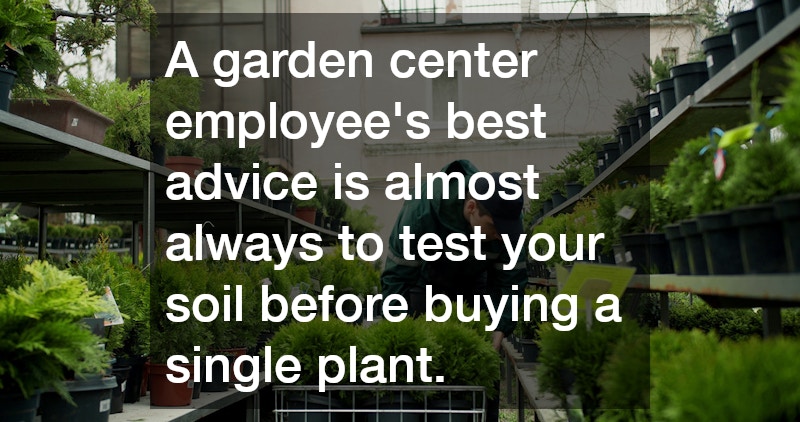
- A garden center employee’s best advice is almost always to test your soil before buying a single plant.
- Knowing your USDA hardiness zone prevents the frustration of buying plants that were never going to survive your winter.
- Soil temperature, not the calendar, determines when it’s actually safe to plant.
- Starting small with a manageable garden size leads to better results than an ambitious first-year plot.
- Native plants are typically easier to grow and require less long-term maintenance than exotic varieties.
- Hardening off seedlings gradually prevents transplant shock and protects an investment in young plants.
What Does a Garden Center Wish Every New Gardener Knew?
The single piece of advice most garden center staff wish every new customer understood is this: test your soil before buying anything else, since even the healthiest plants will struggle in soil that’s missing key nutrients or has the wrong pH. Walking into a garden center with a plan built entirely around what looks appealing on the shelf, rather than what a specific yard’s soil and light conditions can actually support, is one of the most common and avoidable mistakes new gardeners make.
According to Penn State Extension’s home gardening guidance, most vegetables and flowers need at least six to eight hours of full sun daily and consistent moisture, which means matching plant choices to a yard’s actual conditions matters more than any individual plant’s appeal on a shelf. A quick soil test, often available through a local extension office, answers questions no amount of browsing can.
What Should You Know Before Your First Garden Center Visit?
A little preparation before shopping saves both money and disappointment down the road:
- Know your sunlight — track how many hours of direct sun different parts of your yard actually get
- Test your soil — a basic test reveals pH and nutrient levels before you buy anything
- Know your hardiness zone — this determines which perennials will actually survive winter in your area
- Measure your space — bring rough dimensions so plant spacing recommendations make sense
- Set a realistic budget — soil amendments, tools, and ongoing supplies add up beyond plant costs
- Have a rough plan — even a simple sketch prevents impulse buys that don’t fit your layout
Walking in with these basics already sorted turns a garden center visit from overwhelming into genuinely productive.
Why Does Your Hardiness Zone Matter So Much?
Few mistakes frustrate new gardeners more than falling in love with a perennial at the garden center, planting it, and watching it fail to return the following spring simply because it was never suited to the local climate. The USDA Plant Hardiness Zone Map divides the country into zones based on average annual minimum winter temperatures, and it’s the standard reference for determining which perennial plants can realistically survive year-round in a given location. Every plant tag at a reputable garden center should list a hardiness range, and checking that range against your specific zone before buying takes less than a minute but can save an entire season’s investment. Annuals aren’t bound by this rule since they complete their life cycle in one season regardless of zone, but any plant marketed as a perennial deserves this quick check first.
When Is the Right Time to Actually Start Planting?
New gardeners often plant by the calendar alone, but soil temperature is the far more reliable indicator of when it’s safe to start. According to University of Minnesota Extension’s guide to planting a vegetable garden, cool-season crops like peas, spinach, and lettuce can go in the ground once soil temperatures reach 40 to 50 degrees Fahrenheit, while warm-season crops like tomatoes and peppers need soil temperatures between 50 and 60 degrees and should wait until after the last frost. Planting too early, even if the calendar says spring has arrived, risks seeds rotting in cold, wet soil or tender transplants being killed by a late frost. A basic soil thermometer, often sold right at the checkout counter of a garden center, removes the guesswork entirely.
What Garden Sizing Mistakes Should First-Timers Avoid?
Ambition is admirable, but an oversized first garden is one of the fastest ways to burn out before the growing season even gets started. A few sizing and planning missteps come up again and again:
- Planting too much variety — a dozen different crops in year one makes care and troubleshooting harder
- Ignoring mature plant size — small starter plants can triple in size, crowding beds within weeks
- Skipping pathways — without access paths, tending and harvesting becomes needlessly difficult
- Underestimating watering needs — larger gardens require more consistent watering than most beginners expect
- Not accounting for time — weeding, pruning, and pest monitoring scale directly with garden size
Starting with a smaller, well-maintained garden almost always produces better results than an ambitious plot that becomes overwhelming by midsummer.
Why Do Garden Centers Often Recommend Native Plants?
Native plants tend to be a garden center’s go-to recommendation for beginners, and for good reason: they’ve evolved to thrive in local soil, rainfall, and temperature conditions without the intensive care exotic species often require. Penn State Extension notes that native plants are generally easier to grow and cheaper to maintain than non-native alternatives, while also supporting local pollinators and wildlife in ways ornamental imports typically don’t. That doesn’t mean every plant in a beginner’s garden needs to be native, but building a foundation around a few well-suited native species reduces the amount of fertilizer, pest control, and supplemental watering a new garden demands. Staff at a good garden center can usually point toward native options suited to a specific yard’s conditions without much prompting.
How Should You Handle Seedlings Once You Get Them Home?
Bringing seedlings home from a garden center is only half the process; how they’re transitioned into the ground matters just as much as the plants themselves. UMN Extension recommends a hardening-off period before transplanting, which involves gradually exposing seedlings to outdoor conditions over several days by placing them in shade initially and slightly reducing watering, rather than moving them directly from a warm indoor environment into the garden. Skipping this step often causes transplant shock, a stress response that stunts growth or kills plants outright even when they were perfectly healthy at purchase. Watering thoroughly before transplanting, working in late afternoon or on a cool, cloudy day, and firming soil gently around the roots all give new plants their best chance at establishing quickly.
What’s the Most Important Takeaway for New Gardeners?
Starting a garden successfully comes down to preparation that happens before, not after, a garden center visit. Knowing your sunlight, soil conditions, and hardiness zone turns plant shopping from guesswork into an informed decision, while starting small and paying attention to timing prevents the kind of early setbacks that discourage so many first-time gardeners. Native plants, proper hardening off, and realistic sizing all compound into a garden that’s genuinely manageable rather than a source of constant frustration. The staff at any good garden center have likely seen every mistake in this list play out before, which is exactly why they’re usually happy to answer questions before you buy rather than after something’s already struggling in the ground.